
How to Choose the Right Italian-American Meal for Every Occasion
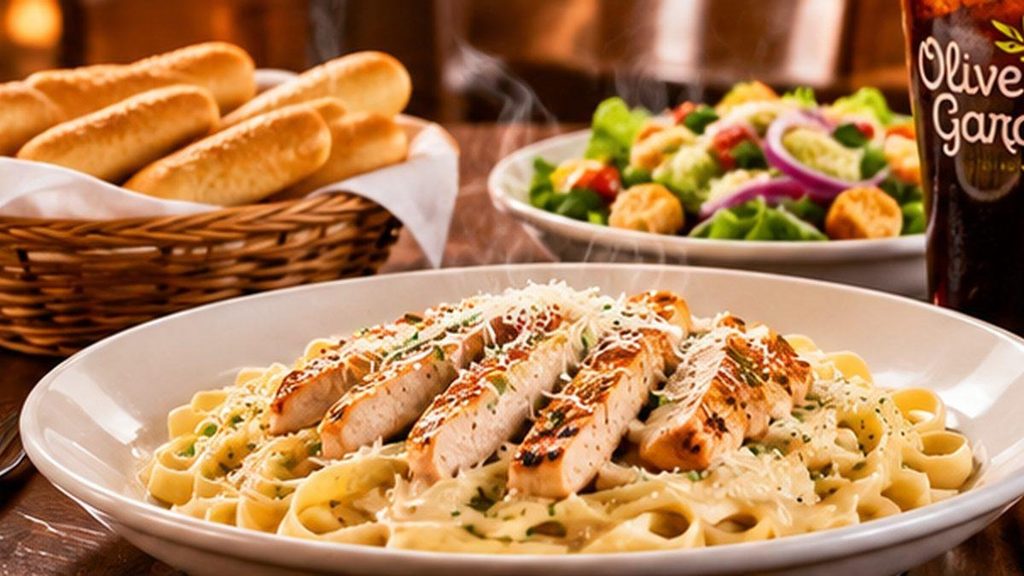
Chicken Alfredo with a fresh salad and warm breadsticks.
Introduction
Italian-American restaurants are popular because they combine familiar comfort food with a menu that offers something for almost everyone. A casual lunch, a family dinner, a birthday meal, or a relaxed evening with friends can all call for a different type of dish. With pasta, chicken, seafood, soups, salads, appetizers, desserts, and family meals available, the biggest challenge is often deciding what fits the occasion.
If you are planning a visit to Olive Garden, checking the menu before you arrive can make the decision much easier. A useful Olive Garden menu guide lets diners review different menu categories and get an idea of the choices available before sitting down. Spending a few minutes looking at the menu can also help you think about portion size, budget, and what the rest of your group may want to eat.
Start by Thinking About the Occasion
The first step is to think about why you are dining out. A quick weekday lunch is different from a long family dinner, and a meal for two is different from ordering for a large group.
For lunch, many diners prefer something satisfying without choosing the heaviest entrée on the menu. Soup, salad, pasta, or a lunch-sized favorite can work well when time is limited. Dinner gives you more opportunity to explore larger entrées, appetizers, seafood, chicken dishes, and desserts.
For celebrations and family gatherings, sharing can be a practical approach. Several dishes placed in the middle of the table give everyone a chance to try different flavors and can make the meal feel more social.
Thinking about the occasion before opening the menu helps narrow down the choices and prevents you from ordering more food than you actually need.
Explore the Menu Before You Visit
Looking at a restaurant menu in advance is one of the easiest ways to make dining out less stressful. When you are already seated at the restaurant, everyone may be hungry and ready to order, so it can be difficult to compare several options carefully.
An online menu allows you to look at appetizers, soups, salads, pasta, chicken, seafood, family meals, desserts, and drinks at your own pace. It can also help you identify dishes that you want to ask about when you arrive.
Checking the menu beforehand is particularly useful for groups. One person may want pasta, another may prefer chicken, while someone else may be interested in seafood or a lighter soup and salad combination. Knowing the available categories makes it easier to find something for everyone.
Prices and menu availability can change by location and over time, so the online menu should be treated as a planning tool rather than a guarantee of what every restaurant will have on a particular day.
A welcoming Italian-American restaurant setting.
Make the Most of Appetizers
Appetizers can turn a simple meal into a shared experience. Instead of everyone ordering an individual starter, a group can select one or two items and place them in the center of the table.
Italian-American menus often include options such as fried mozzarella, stuffed mushrooms, spinach and artichoke dip, toasted ravioli, and other shareable dishes. These foods can add different textures and flavors before the main course arrives.
The main thing to remember is portion size. An appetizer can be surprisingly filling, especially when it is combined with breadsticks and a large entrée. If you already know that you want pasta or a rich chicken dish, one shared appetizer may be enough.
For a larger group, sharing appetizers can also let everyone taste something new without committing to a full entrée.
Pasta Is a Classic for a Reason
Pasta remains one of the most flexible choices on an Italian-American menu. Different shapes and sauces create very different meals, even when the basic ingredients are similar.
Cream-based sauces tend to be rich and smooth, while tomato-based sauces can provide a brighter flavor. Meat sauces add a hearty element, and cheese-filled pasta can offer a more substantial texture.
Fettuccine Alfredo is a familiar choice for diners who enjoy creamy pasta. Spaghetti with meat sauce is another classic option for anyone who prefers tomato sauce and a traditional combination. Baked pasta dishes such as lasagna or ziti can be appealing when you want something especially hearty and cheesy.
When choosing pasta, consider the rest of your meal. If you are also ordering an appetizer, soup, salad, or dessert, a very large entrée may leave you feeling overly full. If pasta is the main focus of your meal, however, choosing a favorite sauce and adding a suitable protein can make it more satisfying.
Chicken Dishes Offer Familiar Variety
Chicken is a useful middle ground for diners who want something substantial but do not necessarily want a traditional bowl of pasta.
Chicken can be paired with marinara, cheese, creamy sauces, mushrooms, pasta, or vegetables. That variety makes chicken dishes suitable for many different preferences.
Chicken Parmigiana is a familiar Italian-American combination featuring breaded chicken, tomato sauce, and cheese. Chicken Alfredo combines chicken with creamy pasta, while other chicken specialties can introduce different sauces and seasonings.
Chicken is also a practical option for groups because it is familiar to many diners. If one person is unsure what to order, comparing the chicken section with the pasta and seafood sections can quickly narrow down the possibilities.
Consider Seafood for Something Different
Seafood provides another way to add variety to an Italian-American meal. Shrimp, in particular, works well with pasta and a range of sauces.
Shrimp Alfredo combines seafood with a creamy pasta sauce, while shrimp scampi offers a different profile built around garlic, butter, herbs, and a lighter sauce. Seafood dishes can be a good choice for diners who want something different from chicken or red-meat options.
When dining with a group, seafood also makes it easier for everyone to choose according to personal preference. One person can order shrimp while another chooses chicken or pasta, without the table feeling like it has ordered completely unrelated food.
Do Not Overlook Soup and Salad
Soup and salad are useful choices when you want something lighter or when you want to balance a richer entrée.
A warm bowl of soup can be comforting and filling, while a fresh salad adds crisp vegetables and a different texture to the meal. Soup and salad can be ordered as starters, but they can also form the main part of a lighter lunch.
A soup-and-salad combination is especially useful when you are not extremely hungry. It can provide variety without requiring you to order a large entrée. It can also work well for people who want to enjoy breadsticks alongside their meal.
If you are watching portions, remember that dressings, sauces, breadsticks, and other additions can significantly change the overall size of a meal. Looking at the full combination rather than one item at a time gives you a better idea of what you are ordering.
Lunch and Dinner Call for Different Choices
Lunch and dinner do not always need to be treated the same way. During a weekday lunch, a smaller or lunch-specific portion can be convenient for people who need to return to work, school, or other activities.
Lunch can also be a good time to try a familiar favorite without committing to the largest dinner portion. Soup, salad, pasta, and lunch-sized entrées can all fit comfortably into a shorter dining experience.
Dinner, by contrast, often gives diners more time to enjoy appetizers, larger entrées, drinks, and dessert. If you are meeting friends or family for a relaxed evening, the larger dinner selection may offer more variety.
Before ordering, consider how hungry you are, how much time you have, and whether you want dessert. Those three factors can make a big difference in deciding between a lighter lunch and a larger dinner.
Family-Style Meals Can Simplify Group Dining
Ordering food for several people can be complicated when everyone wants something different. Family-style meals provide another way to handle a group dinner.
Large portions of pasta, chicken, lasagna, salad, soup, and other dishes can be shared at the table. This lets everyone sample more than one item instead of committing to a single entrée.
Family-style ordering can be particularly convenient for birthdays, office meals, weekend gatherings, and casual celebrations. It also gives groups more control over how much each person eats.
Before ordering, check the stated serving size and compare it with the number of people at the table. A dish designed for several people may be enough when combined with a salad or appetizer, while a larger gathering may need multiple entrées or sides.
Sharing can also make the meal more interactive. Instead of waiting for everyone to finish one individual plate, guests can pass dishes around and try several combinations.
Save Room for Dessert
Dessert is an easy part of the meal to overlook when you are concentrating on appetizers and entrées. However, Italian-American restaurants often have rich desserts that can provide a satisfying finish.
Tiramisu is a classic option for people who enjoy coffee, cocoa, and creamy textures. Chocolate-based desserts appeal to diners looking for something richer, while cheesecake and other creamy desserts offer a different style of sweetness. Warm doughnuts or similar shareable desserts can be useful when several people want to taste something together.
If you know you want dessert, think about it when selecting your entrée. A lighter main course may leave enough room for a sweet finish, while a very large pasta or chicken meal may make dessert difficult to manage.
Sharing one dessert is another simple option for couples and groups. It allows everyone to enjoy a few bites without ordering a separate dessert for every person.

Tiramisu provides a classic sweet finish to the meal.
Think About Dietary Preferences Before Ordering
Many diners have specific dietary preferences, ingredient restrictions, or food allergies. Reading the menu carefully before ordering is therefore important.
Menu descriptions can help you compare ingredients and identify dishes that may suit your preferences. However, people with serious food allergies should speak directly with restaurant staff before ordering. Online descriptions may not contain all the information needed to determine whether a particular dish is safe.
Vegetarian diners may find suitable choices among salads, soups, pasta, and vegetable-based dishes, but ingredients and preparation methods should still be confirmed when necessary. Diners who need to avoid particular ingredients should also ask about sauces, dressings, toppings, and shared preparation areas.
Restaurant menus and recipes can change, so it is sensible to confirm important details with the restaurant before placing an order.
Compare Price, Portion, and Appetite
Price alone does not tell you whether a meal is a good fit. Portion size and appetite are equally important.
A moderately priced soup or salad may be enough for someone who wants a lighter lunch. A larger entrée may make more sense for a hungry diner who wants a complete dinner. For a family or group, a shared meal may provide several portions from a single order.
Drinks, appetizers, desserts, and extras can also increase the final cost. Planning the complete meal rather than looking at the entrée price alone makes budgeting easier.
If you are dining with other people, discussing the plan before ordering can prevent unnecessary extras. A group might decide to share an appetizer and dessert while allowing each person to choose an individual entrée.
Plan Your Order Before You Arrive
A few minutes of preparation can make the dining experience much smoother. Before leaving home, browse the menu and identify two or three dishes that appeal to you.
You do not have to make a final decision in advance. The goal is simply to understand the choices so you are not starting from zero when you sit down.
For families, it can help to ask children what types of food they are interested in before arriving. For larger groups, deciding whether you want individual meals or shared dishes can also save time.
Once you know your preferred category, you can compare the available dishes based on ingredients, portion size, price, and appetite. This approach makes the menu feel much less overwhelming and leaves more time to enjoy the meal itself.
Making the Most of Your Restaurant Visit
A successful restaurant meal is usually the result of matching the food to the people, occasion, and appetite rather than simply choosing the largest or most popular item.
For a quick lunch, soup, salad, or a lunch-sized entrée may be enough. For dinner, pasta, chicken, seafood, and baked dishes provide plenty of options. Groups can consider shared appetizers or family-style meals, while dessert can be reserved for the end of the meal.
Reviewing the menu ahead of time gives you a chance to compare these choices without feeling rushed. It can also help you plan your budget and identify questions to ask about ingredients or dietary needs.
Whether you are visiting for a casual meal or organizing a larger gathering, a little preparation can make the ordering process easier and help everyone at the table find something they genuinely want to eat.
Editor’s note: Article body word count is approximately 2088 words (excluding this note and image captions).
Image note: The photographs in this document are original AI-generated visuals created for this guest-post draft.