
Flat Ribbon Fiber Cable High-Performance Solution for Modern Fiber Networks
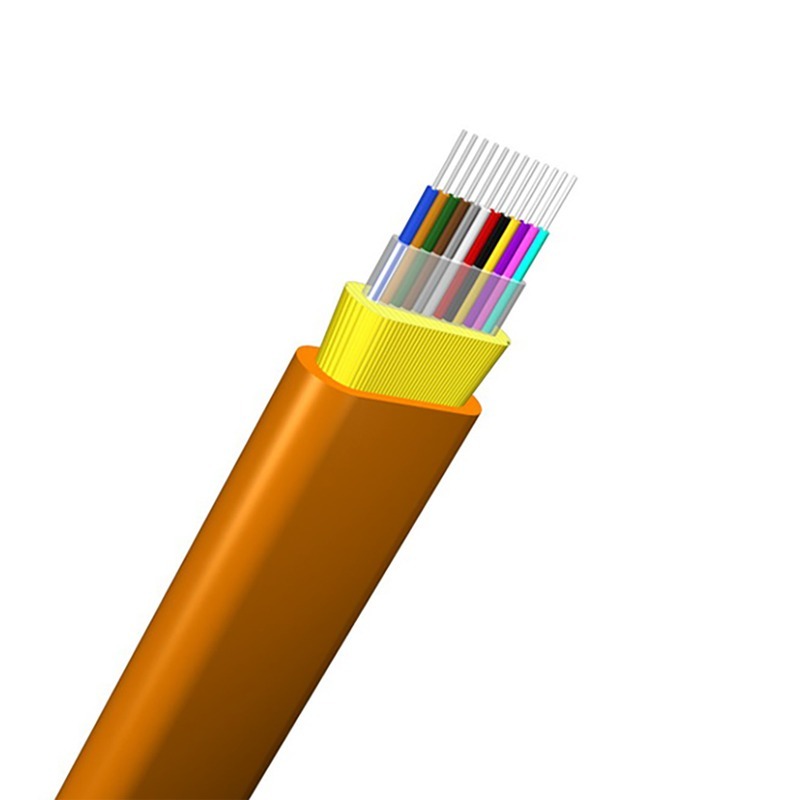
In today’s fast-growing communication infrastructure, network reliability and efficiency are more important than ever. A flat ribbon fiber cable is designed to meet these demands by offering high fiber density, easy installation, and long-term performance stability. Whether used in backbone networks, data centers, or access networks, this cable type provides a compact and cost-effective fiber solution for modern telecom environments.
Flat ribbon fiber cables are engineered to support high-speed data transmission while simplifying fiber management. Their structured ribbon design allows for faster splicing, reduced installation time, and improved scalability compared to traditional loose tube or single-fiber cables.
What Is a Flat Ribbon Fiber Cable?
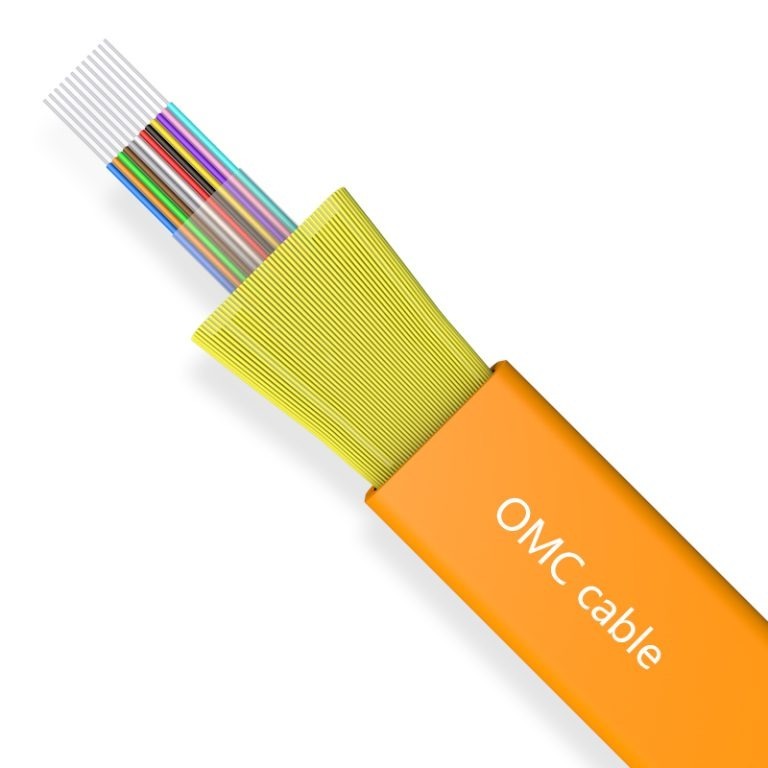
A flat ribbon fiber cable is a fiber-optic cable in which multiple optical fibers are aligned in a flat, parallel ribbon format. Typically available in configurations such as 4F, 6F, 8F, or 12F, these fibers are bonded together to form a single ribbon unit. Multiple ribbon units can also be stacked to achieve higher fiber counts while maintaining an organized structure.
This ribbon design makes the cable especially suitable for mass fusion splicing, where several fibers can be spliced simultaneously. As a result, flat ribbon fiber cables significantly reduce labor time and installation costs in large-scale fiber deployments.
Key Advantages of Flat Ribbon Fiber Cable
High Fiber Density in a Compact Design
One of the main benefits of using a flat ribbon fiber cable is its ability to accommodate multiple fibers within a compact outer diameter. This high fiber density allows network operators to maximize space utilization in ducts, conduits, and cable trays without compromising performance.
Faster and More Efficient Splicing
Flat ribbon fibers are designed for ribbon splicing technology, enabling multiple fibers to be spliced in a single operation. This dramatically reduces splicing time and improves consistency, making the cable ideal for large backbone and metro network projects.
Improved Cable Management
The flat and organized structure of ribbon fibers simplifies cable identification, routing, and maintenance. Technicians can easily manage fiber connections, reducing the risk of errors during installation or network upgrades.
Construction and Design Features
Fiber Type and Performance
Flat ribbon fiber cables typically use single-mode fibers compliant with international standards such as ITU-T G.652.D or G.657.A1/A2. These fibers ensure low attenuation, high bandwidth capacity, and excellent performance over long transmission distances.
Durable Cable Jacket
The outer jacket of a flat ribbon fiber cable is designed to protect the internal fibers from mechanical stress, moisture, and environmental damage. Depending on the application, the jacket may be made from LSZH, PE, or other high-quality materials suitable for indoor or outdoor use.
Strength Members for Mechanical Stability
To enhance tensile strength and crush resistance, flat ribbon fiber cables often include strength members such as FRP rods or steel wires. These components help maintain cable integrity during installation and long-term operation.
Applications of Flat Ribbon Fiber Cable
Telecom Backbone Networks
Flat ribbon fiber cables are widely used in backbone and metro networks where high fiber counts and fast deployment are essential. Their efficient splicing capability makes them ideal for large-scale infrastructure projects.
Data Centers and High-Capacity Networks
In data centers, where space optimization and structured cabling are critical, flat ribbon fiber cables provide a clean and organized fiber solution. They support high-speed data transmission and simplify future network expansion.
FTTH and Access Networks
Flat ribbon fiber cables are also suitable for fiber-to-the-home (FTTH) and access network applications. Their compact size and flexibility make them easy to install in tight spaces while ensuring reliable performance for end users.
Why Choose a Flat Ribbon Fiber Cable for Your Project?
Selecting the right fiber cable is crucial for network performance and long-term reliability. A flat ribbon fiber cable offers a balance of efficiency, durability, and scalability. It reduces installation time, lowers maintenance costs, and supports future network growth without requiring major infrastructure changes.
For network operators and installers looking to improve deployment efficiency and overall network quality, flat ribbon fiber cables provide a proven and practical solution.
Conclusion
A flat ribbon fiber cable is an advanced fiber-optic solution designed for high-density, high-performance network environments. With its structured ribbon design, fast splicing capability, and durable construction, it meets the demands of modern telecom, data center, and access network applications. Investing in a high-quality flat ribbon fiber cable ensures stable performance, efficient installation, and long-term value for any fiber-optic project.