
Koi Pond Care That Actually Works with Help from Pond Cleaning Companies
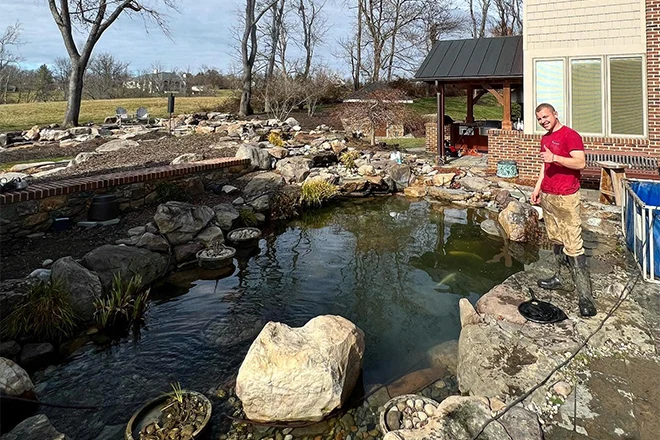
A koi pond can be the calmest part of a home, but it can also become the most demanding if maintenance is inconsistent. Koi create a high waste load, seasonal changes affect oxygen and algae growth, and even a small equipment issue can trigger cloudy water, odor, and fish stress. The owners who enjoy their ponds the most tend to follow two rules. They build a routine that matches koi biology, and they use pond cleaning companies when the workload or risk becomes too high.
This article explains practical koi pond cleaning, what causes common water problems, what a good maintenance schedule looks like, and how pond cleaning companies typically protect fish health while restoring water clarity.
What Makes Koi Ponds Different from Regular Garden Ponds
Koi are larger, eat more, and produce more waste than most pond fish. That means a koi pond needs stronger filtration, better oxygenation, and more consistent cleaning. A small delay in maintenance can push ammonia and nitrite upward, which stresses koi and weakens their immune response.
A koi pond also tends to include features that increase complexity such as bottom drains, skimmers, waterfalls, UV clarifiers, external pumps, and multi stage filters. Each component helps, but each component also requires correct upkeep.
The real goal of cleaning is water stability
Many people think the goal is clear water. Clarity is important, but stability is the priority. Stable water chemistry, stable oxygen, stable temperature range, and stable filtration performance are what keep koi healthy. Pond cleaning companies usually work from this mindset because fish health problems often start weeks before you see obvious signs.
The Most Common Reasons Koi Ponds Get Dirty
A koi pond rarely turns green or smelly for just one reason. Usually it is a chain reaction. Waste builds up, oxygen dips, bacteria activity shifts, and algae takes advantage of the extra nutrients.
Here are the most common drivers.
- Overfeeding or heavy feeding without matching filtration capacity
- Poor mechanical filtration so solids break down in the pond
- Weak circulation that allows sludge to settle in dead zones
- Too much sun exposure with limited shade or insufficient UV support
- Clogged filters or neglected media that reduces flow and oxygen
- Leaf drop and organic debris that decays on the bottom
- Overstocking koi for the pond volume
Pond cleaning companies typically check these drivers first because cleaning without correcting the cause often leads to the same problem returning.
Signs Your Koi Pond Needs Professional Cleaning Soon
Some signs are obvious, like thick sludge and green water. Others are subtle, especially early fish stress signals.
Look for these indicators.
- Water turns cloudy within a few days of cleaning
- Foam gathers on the surface near waterfalls or returns
- A strong earthy or rotten smell appears near the pond edge
- Koi stay near the surface and gulp air in warm afternoons
- Algae grows quickly on walls and rocks despite UV use
- Filters clog faster than normal and flow drops noticeably
- You see string algae mats that trap debris and reduce oxygen
- The pond bottom looks dark with visible waste pockets
If several of these appear together, pond cleaning companies can often restore the pond faster and more safely than repeated DIY attempts.
What Pond Cleaning Companies Usually Do During a Koi Pond Service
A professional cleaning visit should not be only a cosmetic rinse. The best pond cleaning companies treat the pond like a system and follow a sequence that protects koi and preserves beneficial bacteria as much as possible.
Initial assessment and safety checks
A skilled team typically begins with a quick site review.
- Water level, temperature, and visible clarity
- Fish behavior and signs of stress
- Pump sound and flow strength
- Skimmer intake performance
- Filter condition and waste buildup
- Electrical safety and accessible shutoffs
This assessment prevents common mistakes like cleaning aggressively when water chemistry is already unstable.
Targeted debris removal without destabilizing the pond
Most koi pond cleaning focuses on removing solids that would otherwise decay.
- Skimming leaves and floating waste
- Vacuuming sludge zones and bottom debris pockets
- Clearing skimmer baskets and prefilters
- Removing waste trapped behind rocks or around plant ledges
The objective is to export waste, not to stir it into suspension.
Filter cleaning that preserves beneficial bacteria
Biological bacteria live in the filter media. If media is overwashed or washed with chlorinated water, bacteria colonies can crash, causing ammonia spikes.
Pond cleaning companies often use a balanced approach.
- Rinse mechanical stages thoroughly since they trap solids
- Clean biological media gently, only as needed
- Use pond water for rinsing when possible
- Restore proper flow through the filter path
A good company will explain what they cleaned and why, rather than treating every media stage the same.
Water change and dechlorination management
Some cleaning visits include a partial water change. Done correctly, this can improve clarity and reduce nitrate. Done carelessly, it can shock koi.
Professional crews typically manage.
- Controlled water change volume
- Dechlorination if tap water is used
- Temperature difference between old and new water
- Aeration during and after the change
Equipment inspection and tuning
This is where pond cleaning companies add long term value. They look for the small issues that will become big failures later.
- Pump impeller condition and prefilter blockage
- Leaks around fittings, valves, and filter housings
- UV clarifier bulb age and quartz sleeve cleanliness
- Air pump output for aeration lines
- Return direction and circulation pattern
Koi Pond Cleaning Routine You Can Follow Between Professional Visits
Even if you use pond cleaning companies regularly, daily and weekly habits make the pond easier to maintain and cheaper to service.
Weekly maintenance basics
- Remove surface debris and check skimmer basket
- Confirm steady flow from returns and waterfall
- Rinse mechanical filter sections if flow drops
- Observe koi behavior during feeding
- Check for unusual foam, odor, or rapid algae growth
Monthly maintenance basics
- Test ammonia, nitrite, nitrate, and pH
- Inspect UV clarifier operation if installed
- Check air stones and aeration output
- Trim plants if they block circulation
- Vacuum obvious sludge pockets if present
Seasonal maintenance basics
Spring restart priorities
- Clean debris left from winter
- Restart filtration gradually and confirm proper flow
- Increase feeding slowly as temperature rises
- Watch ammonia and nitrite closely during the first month
Summer stability priorities
- Increase aeration because warm water holds less oxygen
- Prevent clogged filters since feeding increases
- Manage algae pressure with flow, waste removal, and UV support
- Provide shade where possible to reduce heat stress
Autumn debris priorities
- Prevent leaves from sinking and decaying
- Use netting or frequent skimming during leaf fall
- Vacuum sludge before winter to reduce spring problems
Winter protection priorities
- Keep gas exchange open with safe aeration practices
- Reduce feeding and avoid large disruptions
- Protect exposed plumbing and equipment from freezing conditions
Pond cleaning companies often offer seasonal packages that align with these priorities.
How to Choose Pond Cleaning Companies for Koi Ponds
Not all pond services are koi focused. Koi ponds require knowledge of water chemistry, fish stress management, filtration biology, and safe handling practices.
Use these selection criteria.
Questions to ask before booking
- Do you have experience with koi ponds specifically
- What is your approach to cleaning filter media without killing bacteria
- Do you test water parameters during or after cleaning
- How do you manage dechlorination and temperature differences
- What steps do you take to reduce koi stress during service
- Do you inspect pumps, UV units, and aeration systems
- What is included in a standard visit and what is optional
Signs of a strong company
- They explain the cause of the problem, not only the symptom
- They recommend changes in feeding, flow, or filtration when needed
- They avoid aggressive drain and scrub methods unless truly required
- They prioritize fish safety and oxygen management throughout the visit
Red flags to avoid
- They promise instant results without discussing water chemistry
- They suggest completely sterilizing the pond routinely
- They wash biological media heavily every visit
- They do not ask about fish load, feeding, or filtration setup
When Repairs and Upgrades Should Be Part of the Cleaning Plan
Sometimes a pond stays dirty because the system is undersized or poorly configured. In these cases, cleaning alone becomes an endless loop.
Pond cleaning companies often recommend upgrades when they see.
- Filters that clog constantly due to small mechanical stages
- Poor circulation with visible dead zones on the bottom
- Weak aeration in warm months
- No effective solids export such as a skimmer or bottom waste removal plan
- UV units that are too small or not maintained properly
Common upgrades that reduce cleaning frequency include better solids separation, larger biological filtration capacity, improved return placement, stronger aeration, and more serviceable plumbing layouts.
A Practical Owner Checklist Before the Cleaners Arrive
If you hire pond cleaning companies, a little preparation helps them work faster and reduces stress for koi.
- Stop feeding 12 to 24 hours before service if possible
- Ensure access to the filter area and electrical shutoffs
- Remove fragile decor near the pond edge
- Identify any known leak areas or past repair zones
- Share pond volume, fish count estimate, and filter type if you know it
- Ask whether they will perform a water change and how they manage dechlorination
Conclusion
A healthy koi pond is the result of consistent waste export, stable biological filtration, strong oxygen levels, and smart seasonal care. When maintenance slips, problems often show up as cloudy water, algae, odor, and fish stress. Pond cleaning companies can restore clarity and reduce risk when they follow a koi safe process that respects beneficial bacteria and protects fish during service.
If you want the pond to feel easy again, combine a simple weekly owner routine with periodic professional cleaning and system inspection. That balance is what keeps koi ponds clean, stable, and enjoyable year round.
Frequently Asked Questions
How often should koi ponds be cleaned
Most koi ponds benefit from light weekly upkeep and a deeper professional cleaning schedule that depends on fish load and season. Many owners use pond cleaning companies every four to eight weeks during warm months and less frequently in winter.
Is it safe to pressure wash a koi pond
Routine pressure washing is usually not recommended because it can strip beneficial biofilm and disturb bacteria balance. Targeted cleaning is safer. If heavy algae removal is required, it should be done with careful water management and fish protection steps.
Will a professional cleaning fix green water permanently
Green water usually returns if nutrients and sunlight remain high. Pond cleaning companies can reduce the causes by removing solids, cleaning filters correctly, and confirming UV performance, but long term control depends on stable filtration and reasonable feeding.
Do pond cleaning companies test water chemistry
Many reputable services do, especially for koi ponds. Testing ammonia, nitrite, nitrate, and pH helps confirm whether the pond is stable after cleaning and helps prevent stress related fish issues.
What should I do if koi look stressed after cleaning
Increase aeration immediately, stop feeding for a short period, and test ammonia and nitrite. If values rise, a partial water change with proper dechlorination may be needed. A reliable service provider will advise on aftercare and follow up if fish stress continues.